Partial basement finish in Lewisburg, PA
Making room for a teenage musician.
A Lewisburg family wanted a place for their son and his band to practice. A full finish didn’t fit the budget, so we split the job: we built the parts that need a contractor, and they took it from there.
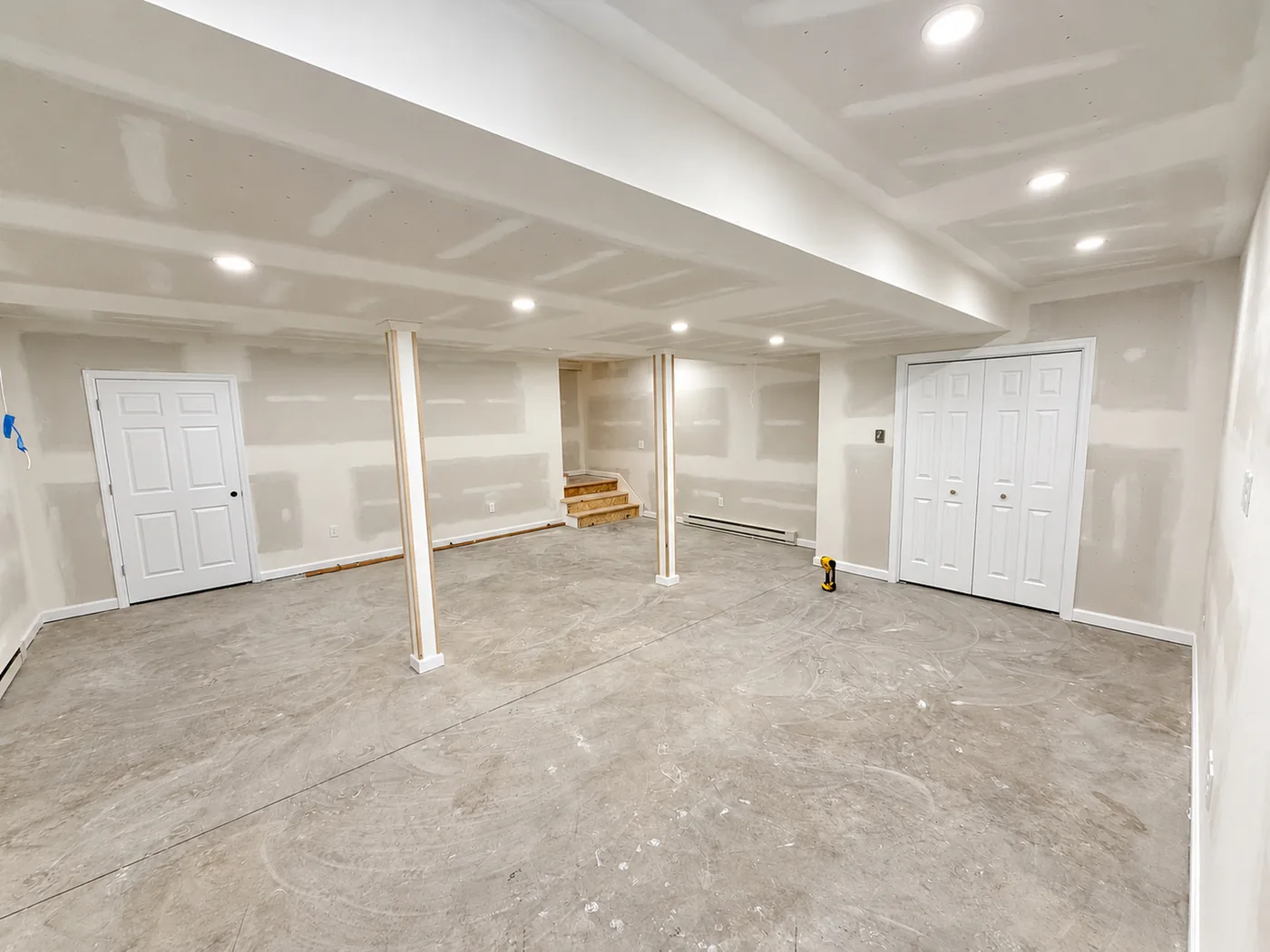
The homeowners wanted to give their teenage son a place of his own: somewhere he could hang out with friends, play music and have band practice without taking over the rest of the house. The basement was the obvious place.
The problem was the budget. Construction costs have climbed a long way in a few years, and a fully finished basement wasn’t going to fit comfortably inside what this family wanted to spend.
We could have priced the whole project, handed over the number and moved on when it didn’t work. Instead we sat down and figured out which parts they needed us for and which parts they could reasonably handle themselves.
A different way to split the work.
We took the framing, electrical, drywall and trim carpentry: the phases that need coordination, inspections and trade experience. The homeowners took the remaining finishes.
We also cut our own fee on this one. I want to be plain that it isn’t how we price work and it isn’t something I can offer on request; it was a decision about this family and this basement. But it made the difference between moving forward and putting the project on hold, and I’d make it again.
The family got professional construction on the parts that matter most, and kept control of the rest and what it cost.
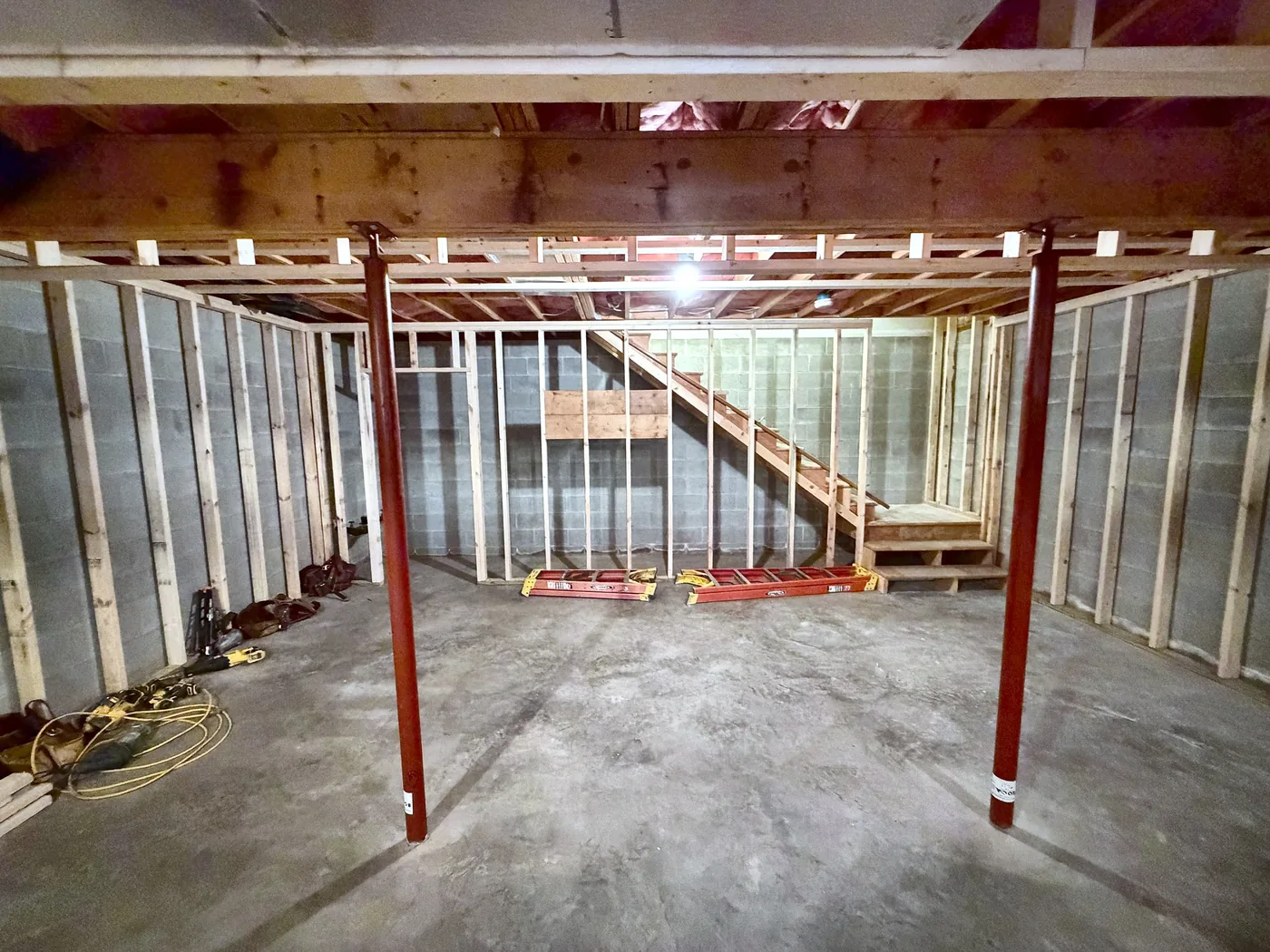
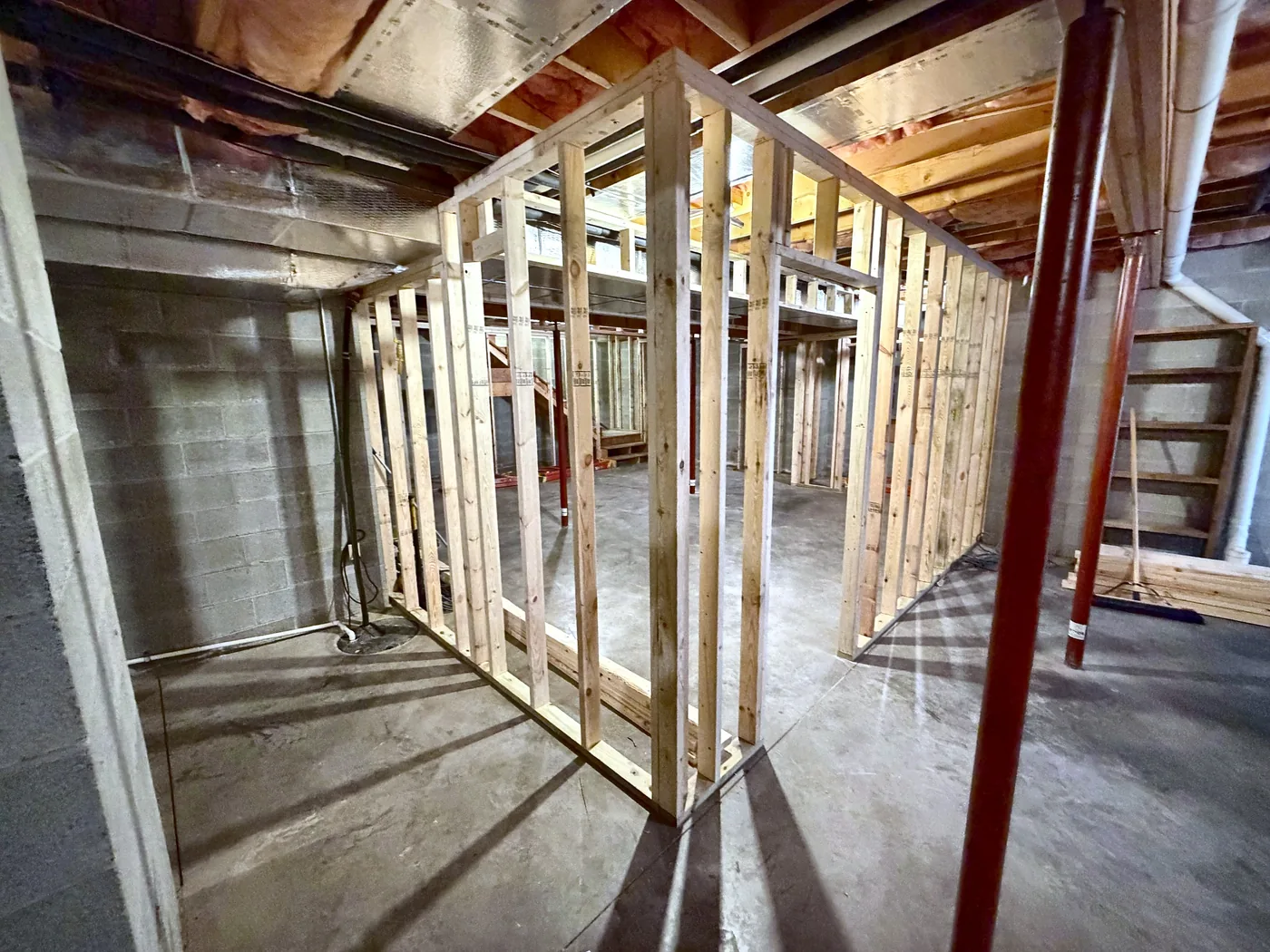
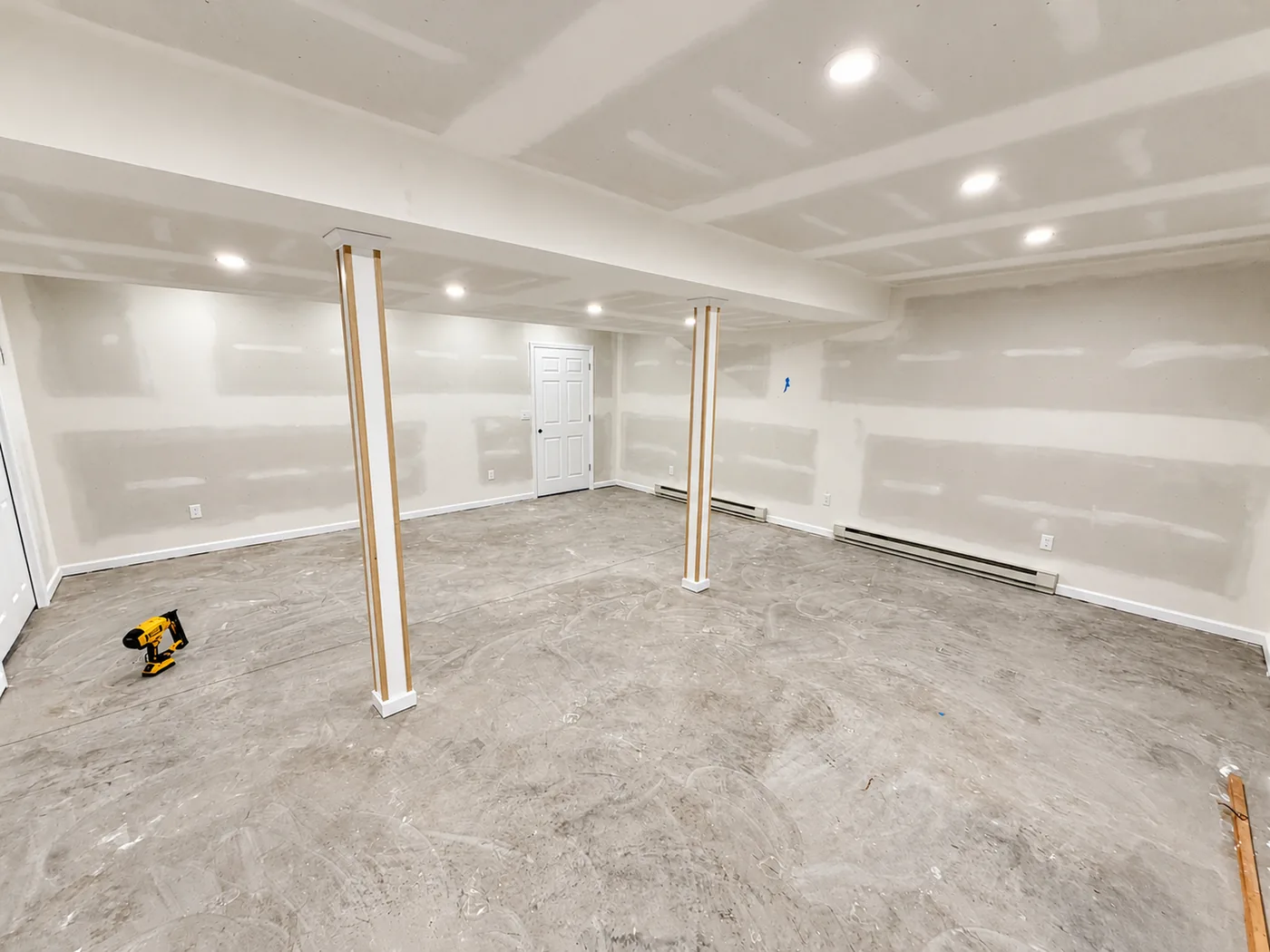
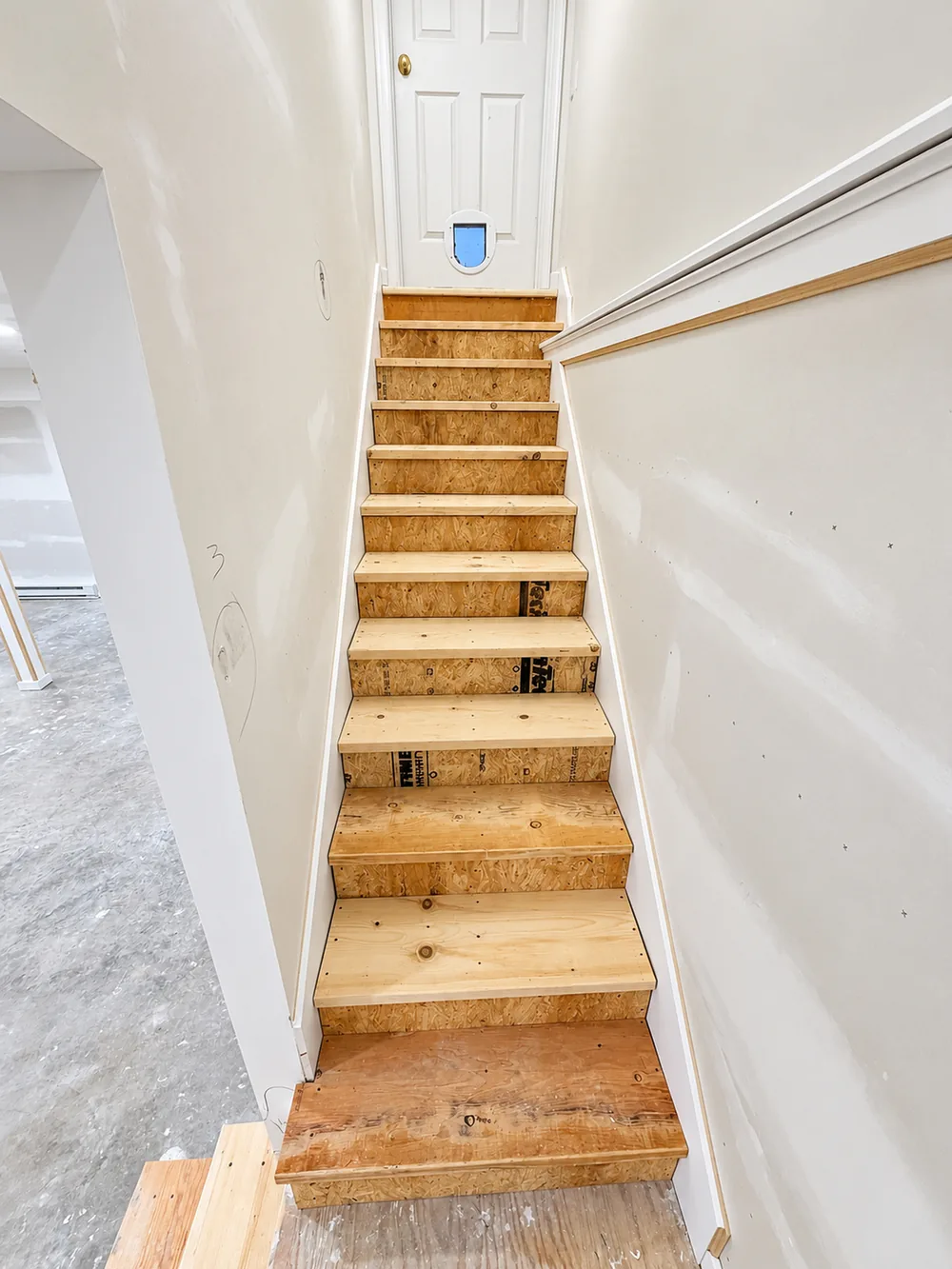
Where partial projects get complicated: the stairs.
When we’re responsible for the whole renovation, we know what flooring is going in, how the stairs will be finished, which trim details are being used, and how all of it fits together. When somebody else is handling the final selections, we don’t always have that information at the stage we need it.
The original plan called for luxury vinyl plank on the stairs, so we built them for that. Later, the homeowners decided on carpet instead. That sounds minor. It isn’t: stairs are built differently for different finishes, and the ones we’d built weren’t right for carpet.
Rather than leave the family with a problem when the carpet installer showed up, we rebuilt the stairs to suit the new finish. We didn’t charge for it. The lesson was ours: when we only do part of a project, we have to spend more time on the work that comes after us, even when we aren’t the ones doing it.
What we learned about partial basement projects.
Most of our basements have been turnkey: framing through the last coat of paint. But we’re getting more calls from people who are comfortable painting or laying flooring themselves and need a contractor for the larger construction phases.
That can work, as long as everyone understands where our responsibility ends and the homeowner’s begins. It takes more planning than people expect. The final flooring affects the stairs. Cabinets and fixtures affect framing and electrical. Even trim depends on what happens in the finishing stages. The work we’re not doing still shapes the work we are.
This project changed how we structure those handoffs, so the next family has a clearer path to finishing their space.
What I like most about this project is why we did it. The homeowners weren’t after an elaborate entertainment space. They wanted somewhere their son could spend time with his friends, make music and enjoy being a teenager. That’s a good reason to finish a basement.
A complete, professionally finished renovation would have been the simplest project for us to manage. It wasn’t the right fit for this family. So we found another way: we built the agreed phases, worked through the stairs, and handed back a basement they could finish on their own terms.
Let’s see if this makes sense.
Fifteen minutes on the phone. You’ll have a realistic range before we hang up — and if we’re not the right people for it, I’ll tell you.