They were having a baby in July. We started in June.
A historic mansion over the river in Sunbury. A bathroom sitting on a poured concrete floor, knob-and-tube in the walls, and a deadline nobody could move.
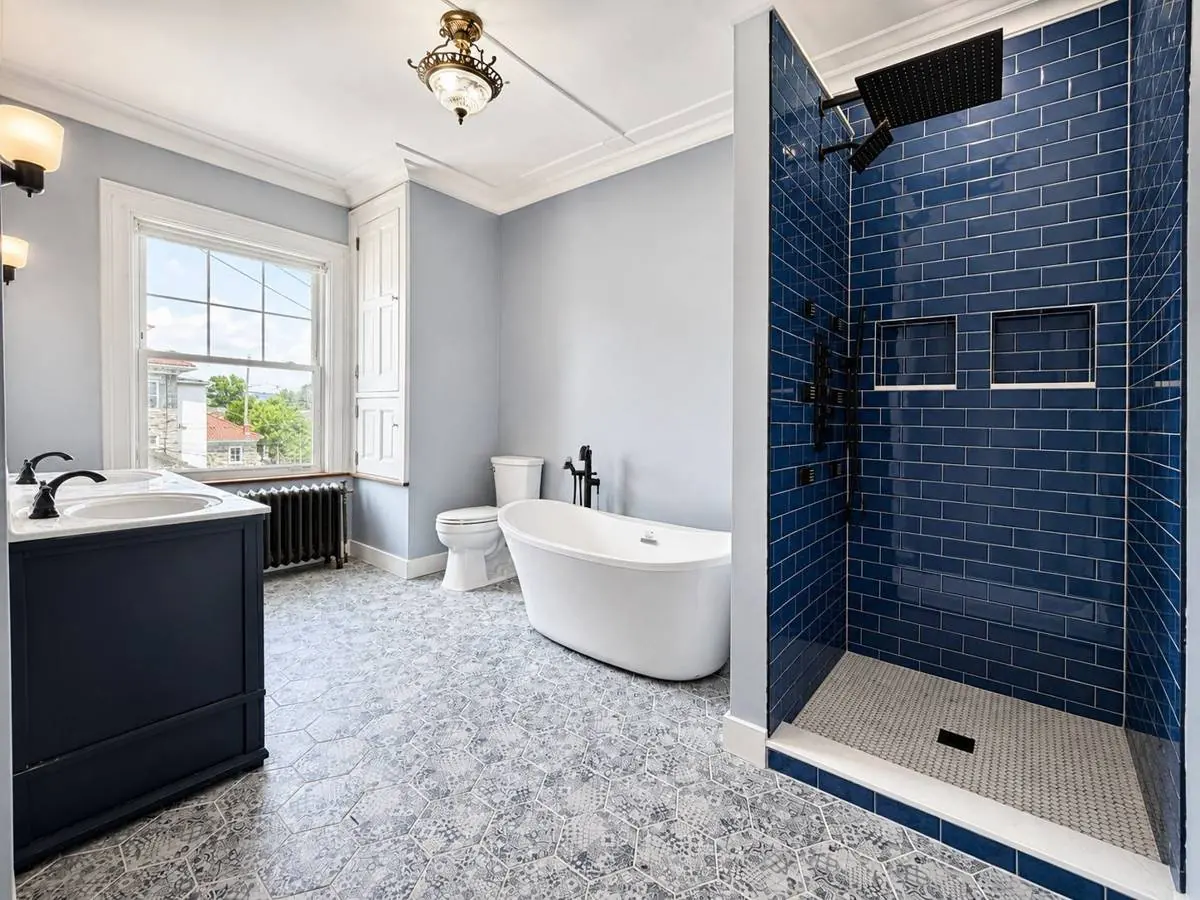
The owners had already committed to another company. That price came back so high we couldn’t work out how they had arrived at it.
What they wanted wasn’t complicated. Keep what makes a house like this worth living in, and stop living the way it was built to be lived in a hundred years ago.
And they were having a baby in early July. We started in early June.
The deadline was a baby.
We promised that every dirty, dusty part of this job would be finished before the baby came home. Then we built the schedule around that promise instead of the other way round.
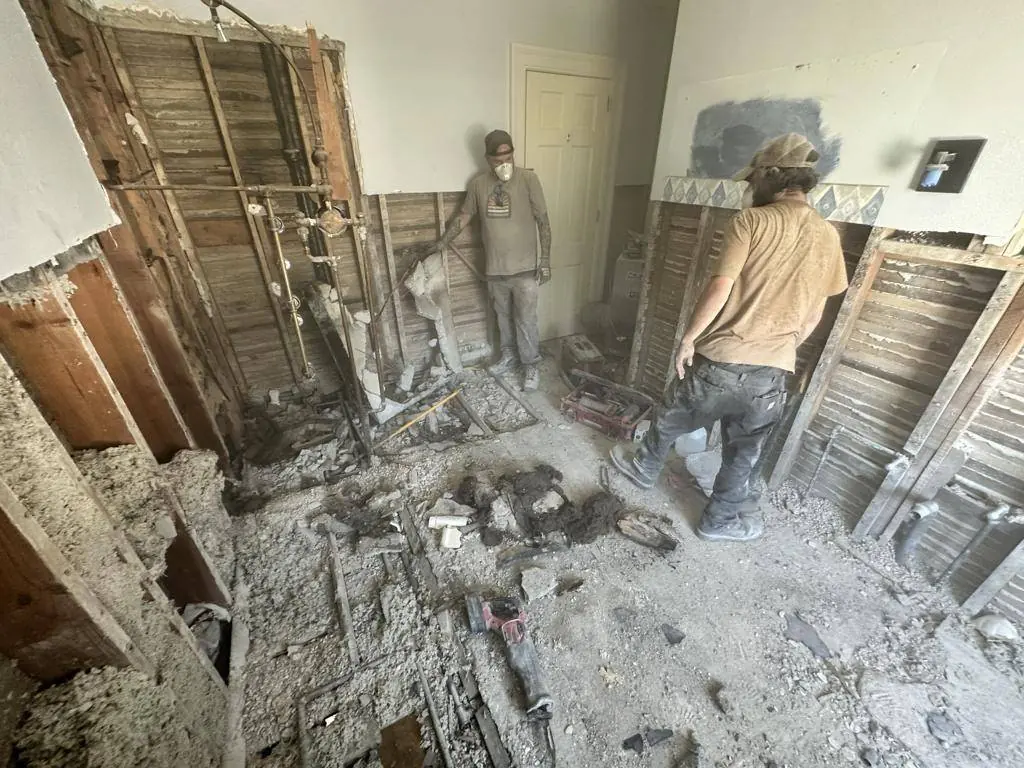
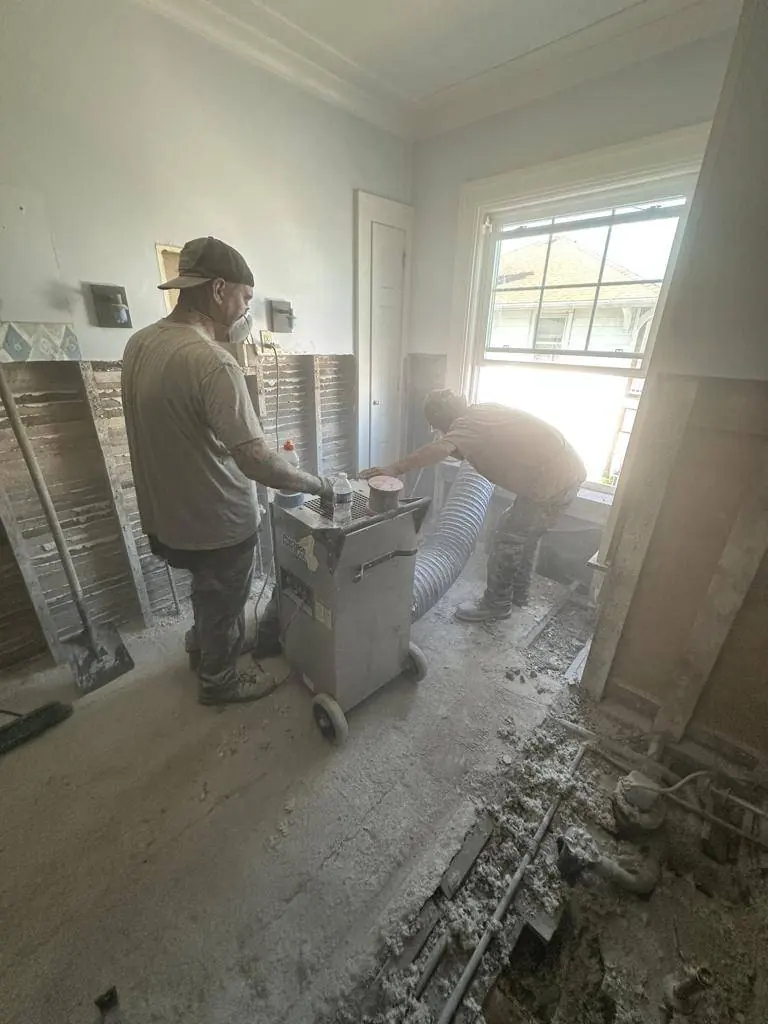
The bathroom was sealed off with ZipWalls and plastic sheeting, and a HEPA air scrubber ran through demolition with its duct out the window — so the dust off a hundred-year-old plaster ceiling stayed in the room it came from.
The whole project was finished before they got home from the hospital.
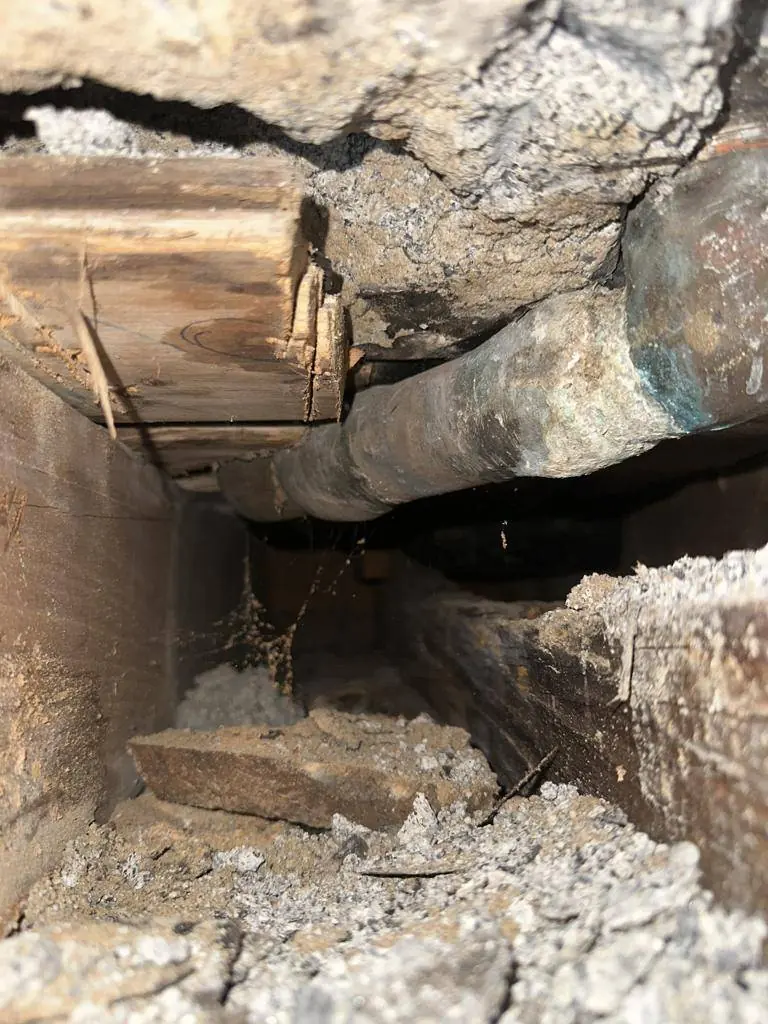
Under the tile was solid concrete.
Not backer board. Not plywood. A poured concrete floor, on the second story of a house built back when nobody thought that was unusual.
The structure was too good to tear out, and reconfiguring it would have cost more than made sense — for the conditions we were working in, and for what the owners actually wanted out of the room. So we did neither. We overlaid it — three-quarter plywood and Ditra, both thinset down — and set the new floor on that.
Tearing it out would have been the simple answer, and the wrong one.
The same thinking applied above eye level. The top half of the walls, the ceilings and the crown stayed. They were too good to tear out, and there is no honest way to recreate plaster and molding like that in a period-correct way once it is gone. The original trim and doors stayed as well. When old plaster is worth keeping →
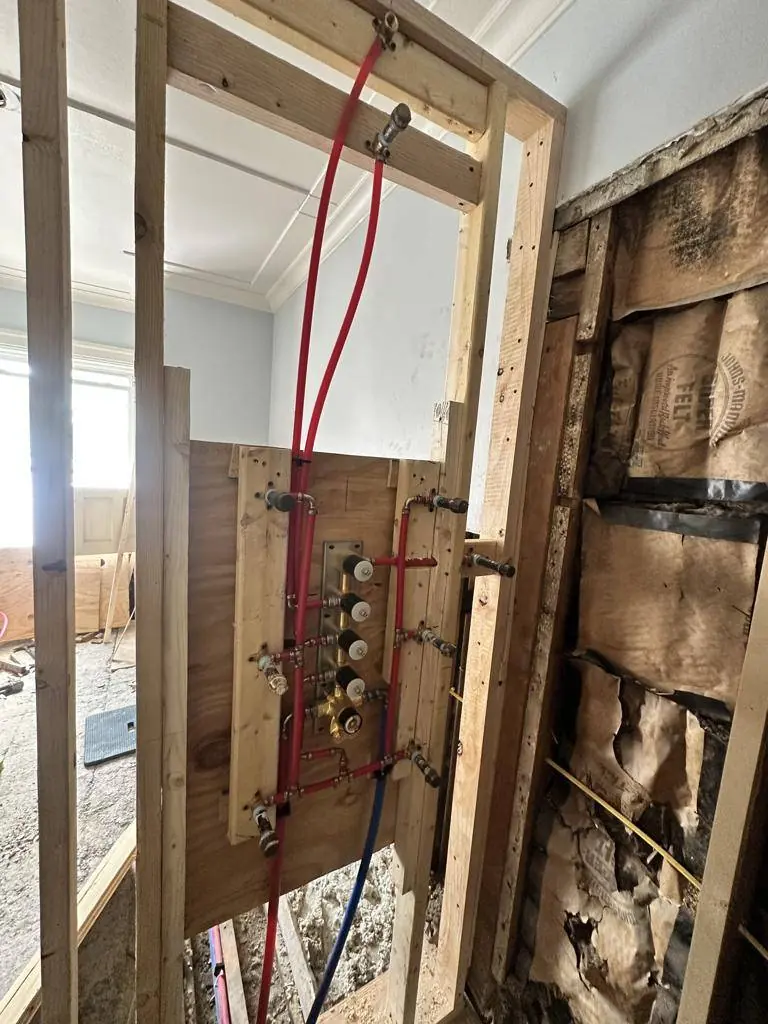
Behind the walls, everything is new. New plumbing run up from the basement, including a new stack and supply lines. And our electrician took the knob-and-tube wiring out entirely and replaced it with Romex run straight from the panel. Knob-and-tube isn’t something you work around.
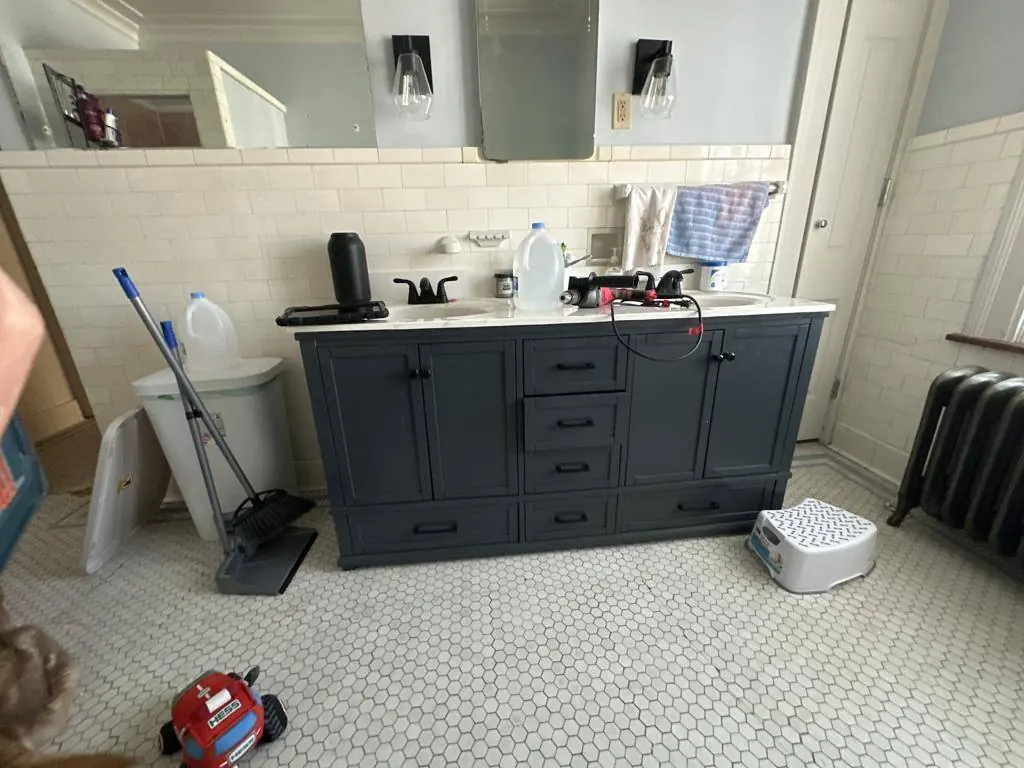
The plaster cracked, and we paid for it.
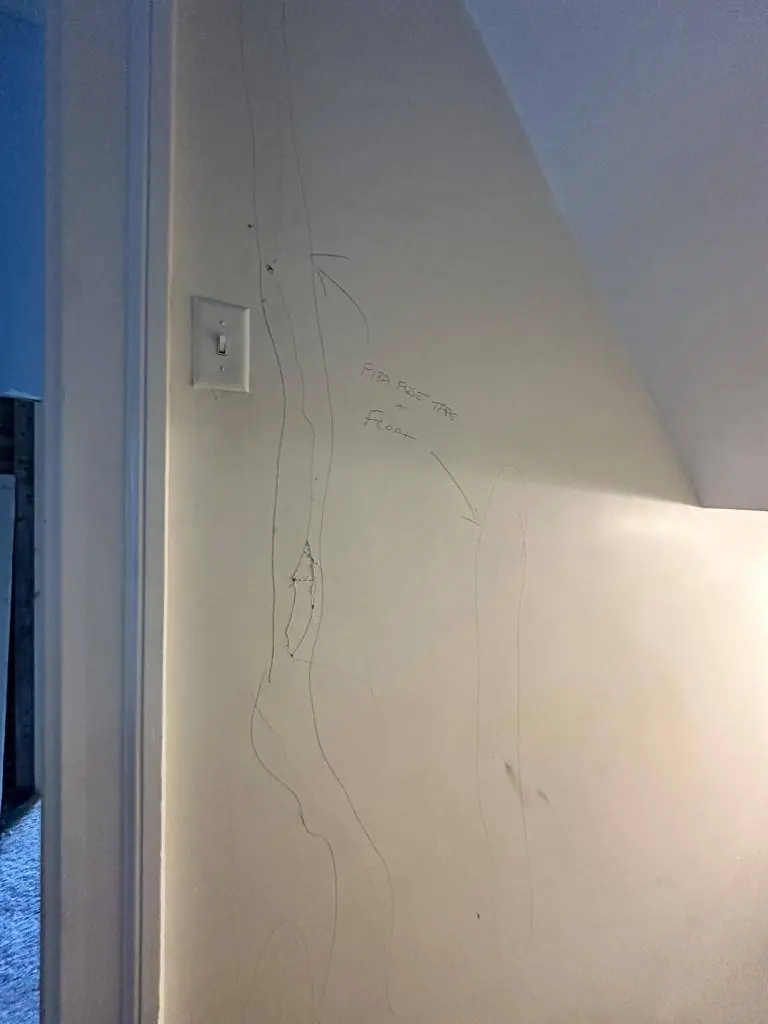
Horsehair plaster is brittle. It has been drying out for a century, and demolition on the other side of a wall is enough to open it up. Three walls outside the bathroom cracked while we worked.
We marked every one, taped and floated them, matched the paint, and charged nothing for any of it.
We caused it. That makes it ours to fix.
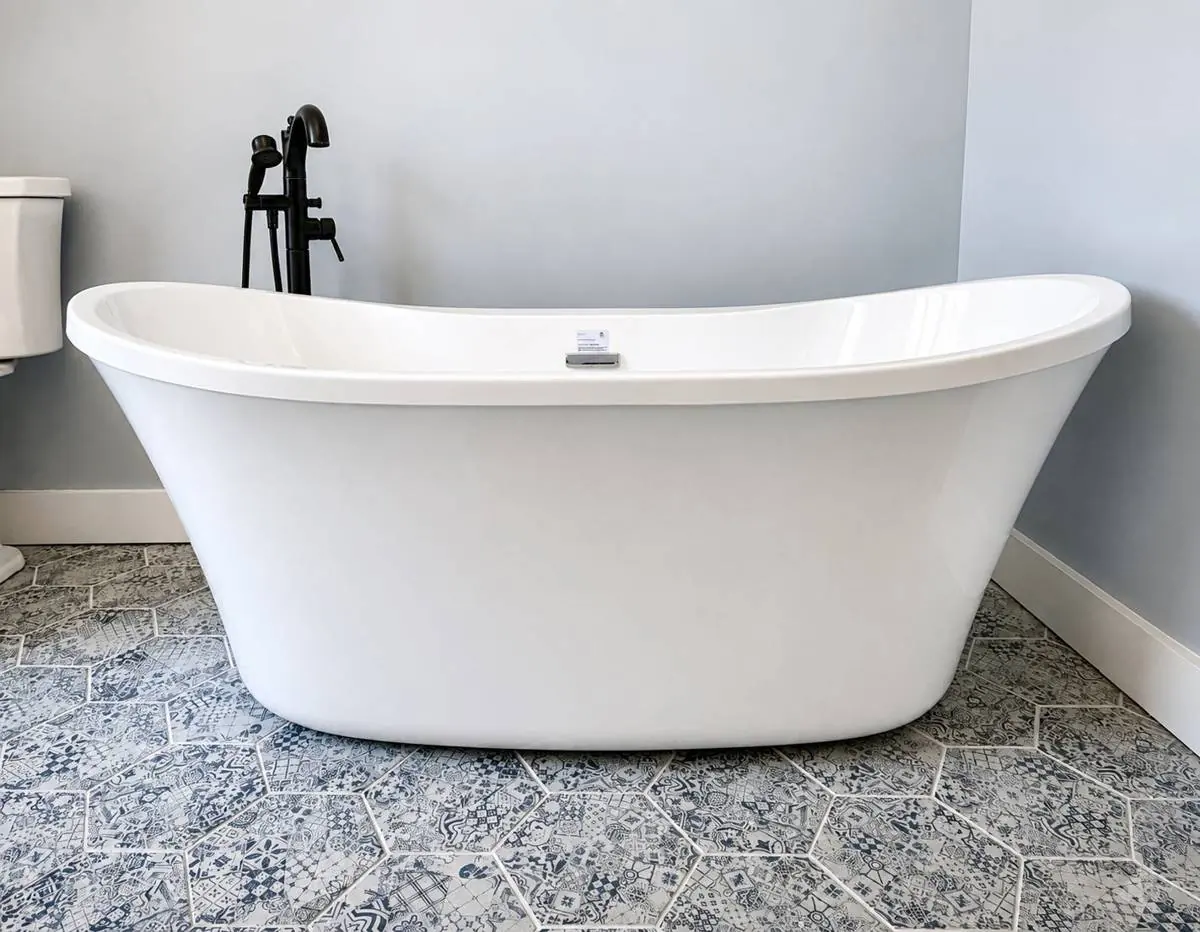
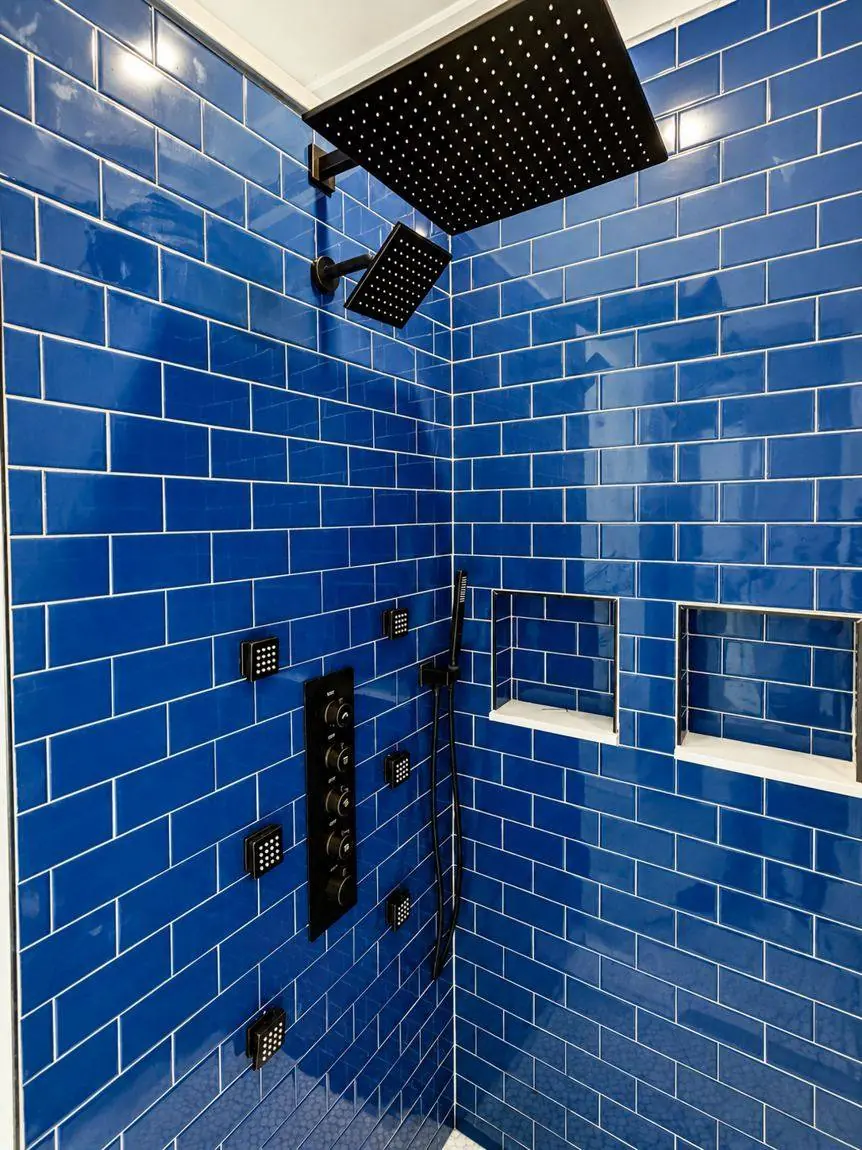
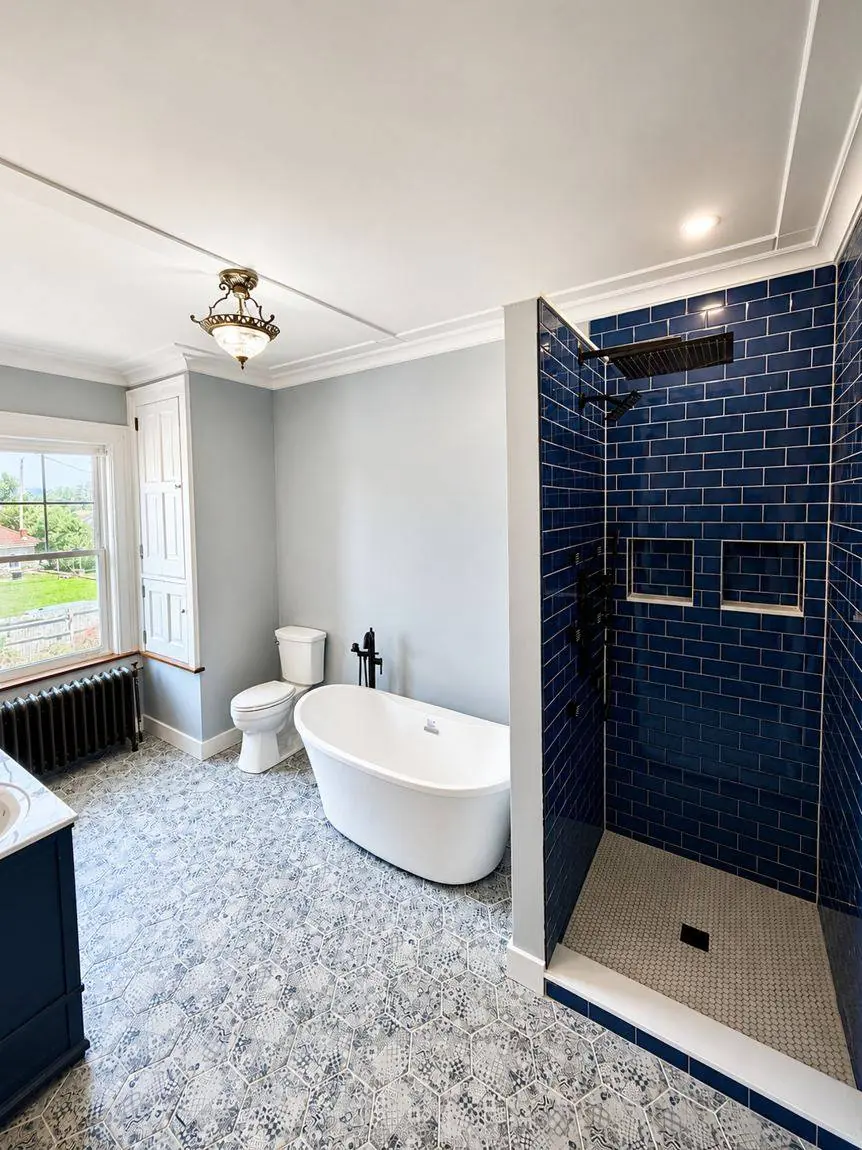
The shower.
Brandon told us early on that body jets and a rainfall head were really important to him.
He was joking. We had no idea he was joking.
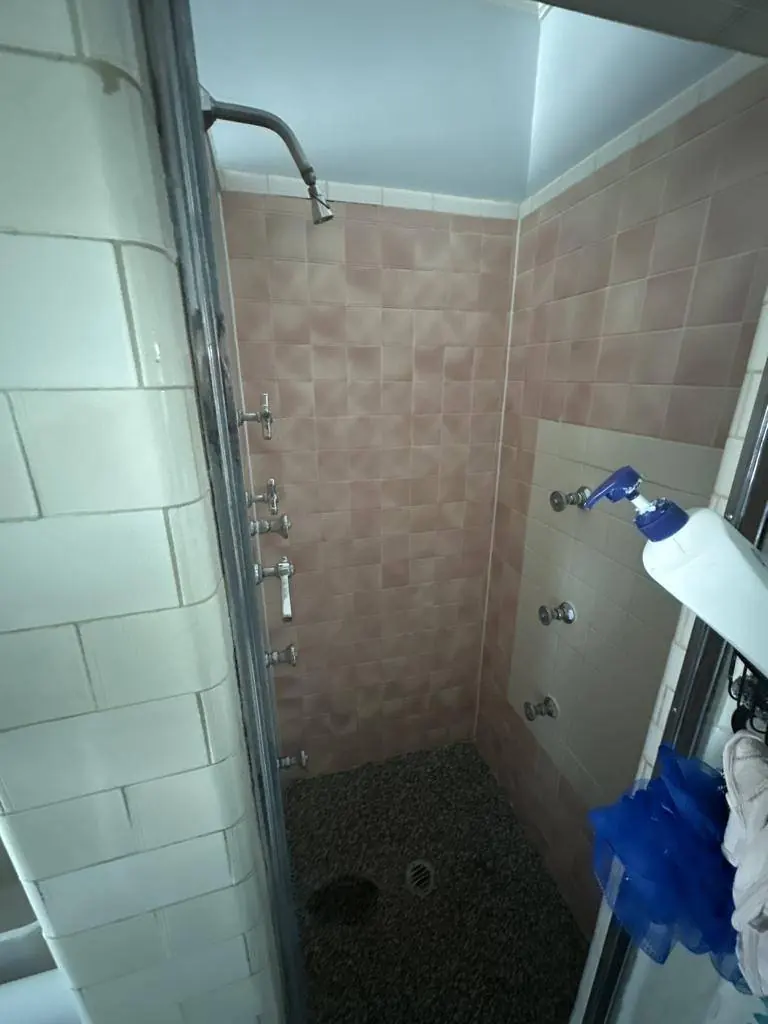
So we built it. A rainfall head, a second overhead, six body jets, a hand shower and a thermostatic valve, in cobalt subway tile.
He couldn’t believe it.
“Mike was a pleasure to work with and was understanding of what our issues were. We had a budget and Mike kept to it and even saved some money at the end of the job. We really liked that Mike layed out the plan and the cost of everything before starting and had a budget for tile and other things so we knew at the end how much we would be paying for the whole project.”
Let’s see if this makes sense.
Fifteen minutes on the phone. You’ll have a realistic range before we hang up — and if we’re not the right people for it, I’ll tell you.