The crew didn’t show up. The date didn’t move.
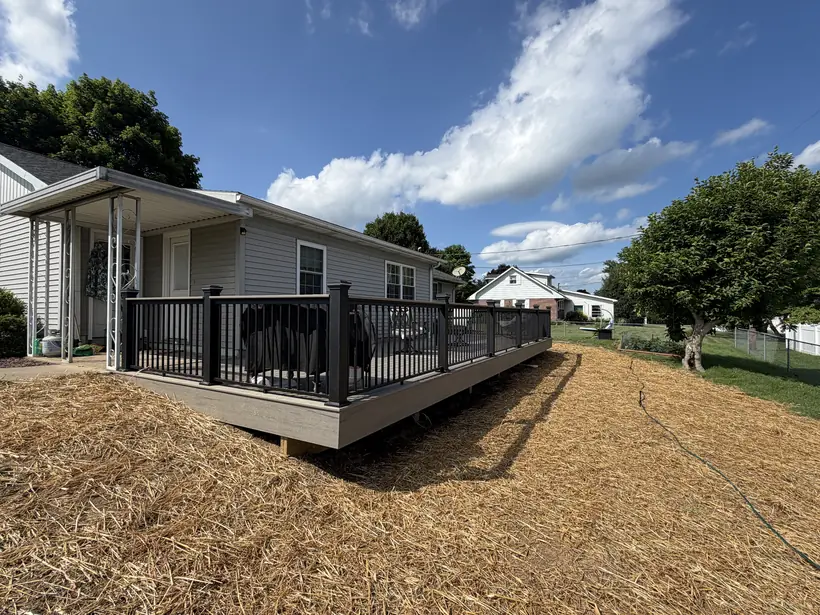
A TimberTech composite deck in Shamokin Dam, promised for a date that couldn’t slip. On the morning we were due to start, my crew didn’t turn up — no call, no notice. So I built it.
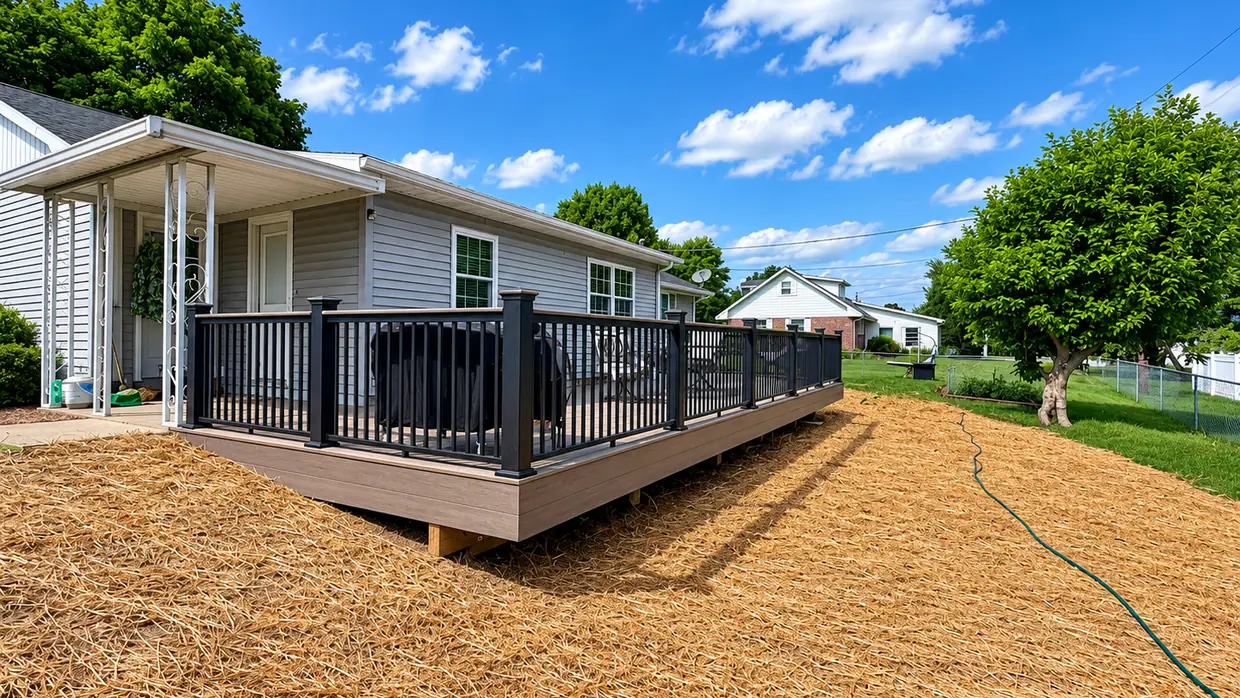
This client had been following us on social media for a while before they ever called. They already knew how we worked. We met, agreed on the price and the scope, and set a start date.
They had an electrician lined up to run wires that same week. That meant the date wasn’t a preference. It was a commitment somebody else had built their own schedule around.
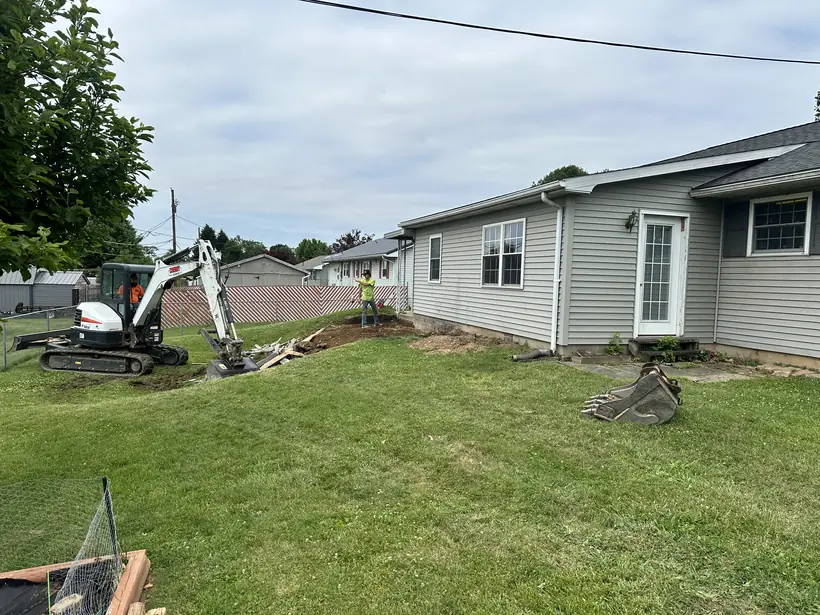
Then my crew didn’t show up
No call. No show. No notice.
I’m not going to pretend that was a good morning. But standing in that yard, there were only two options. Call the homeowner and tell them the date I’d promised was gone, and their electrician’s week with it.
Or build the deck.
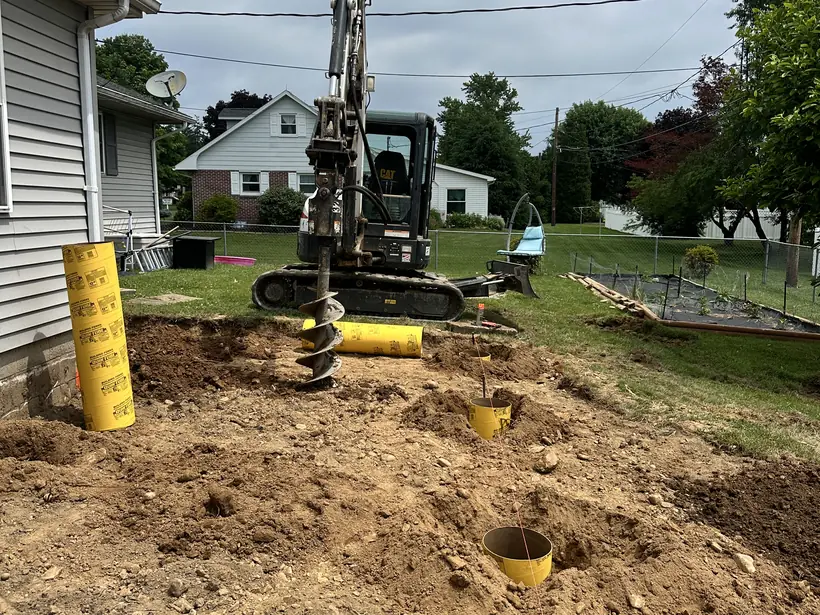
Fifty-six bags of concrete, in one day
Footings first, and footings on a deck are not the place to hurry. They have to get below frost depth, because soil that freezes moves, and a footing that stops short moves with it — taking the deck along. That’s the argument in why frost depth matters , and it is the most common corner cut on a cheap deck.
Fifty-six eighty-pound bags. Mixed and poured by myself, in a day.
That’s two and a quarter tons of concrete.
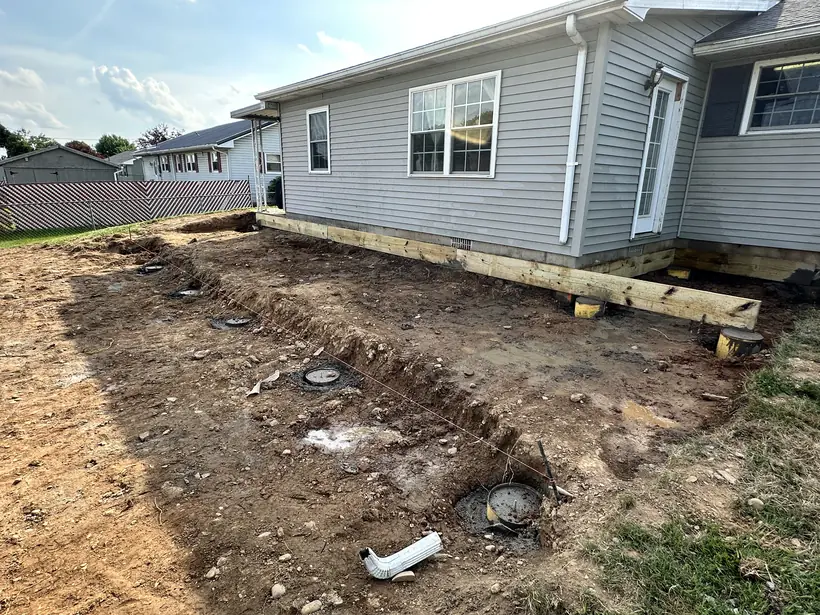

Two days framing, solo, in the rain
Ledger, beams, joists, blocking. Alone, in the pouring rain, for two days.
Framing is the part nobody photographs once the boards go down, and it is the part that decides whether a deck is still solid in fifteen years. Wet weather makes it slower and more miserable. It doesn’t change what the structure has to be.
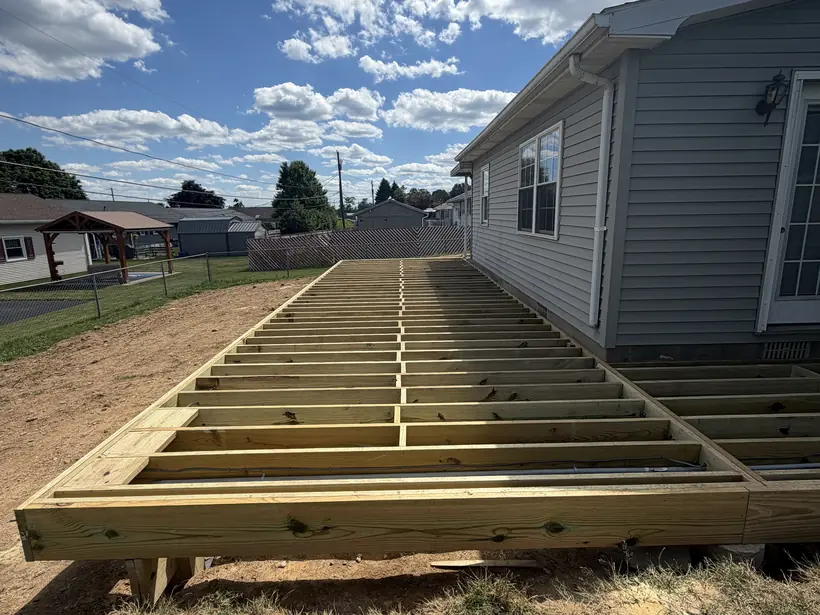
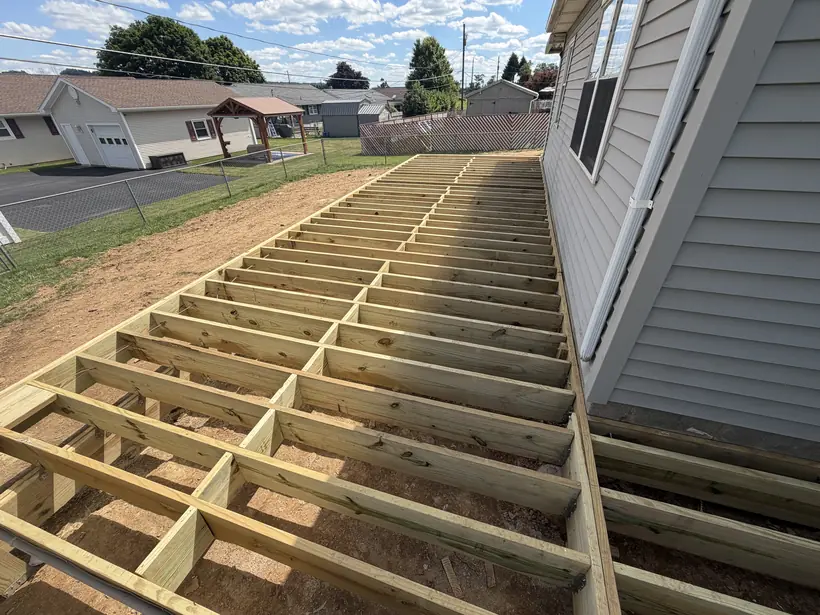
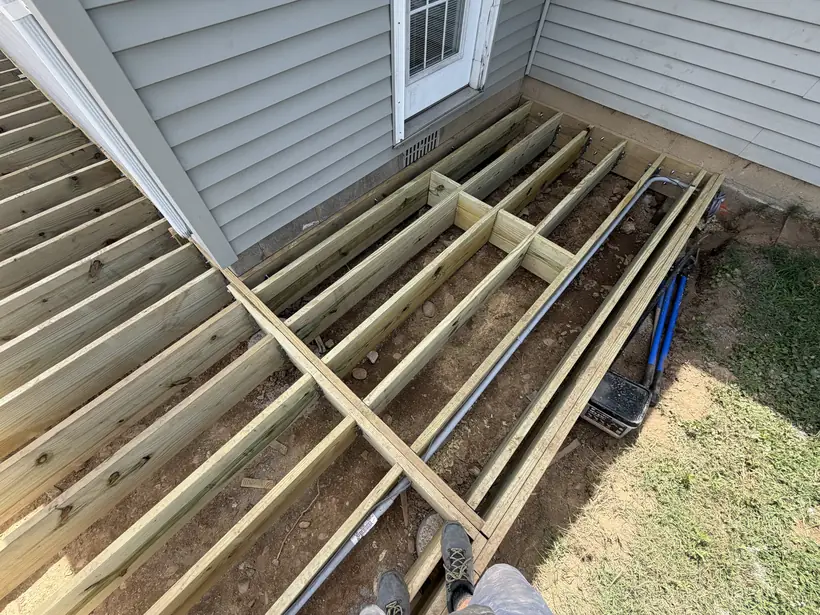
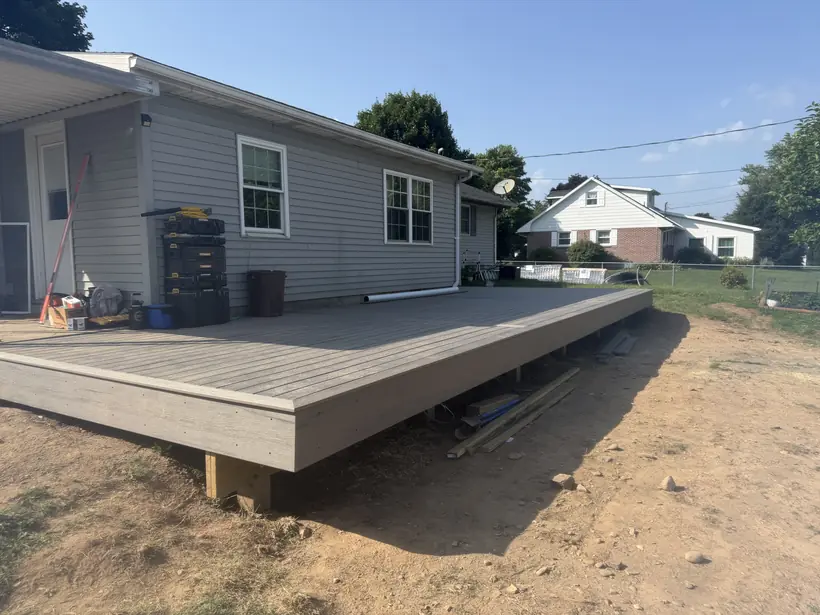
Then the decking, in a hundred degrees
The weather went the other way. Composite gets hot, tools get hot, and so does everything else. The boards still had to go down straight, the gaps still had to be right, and the fasteners still had to be set properly.
Black aluminum railing to finish, and the yard regraded and seeded once the machine could get back in.
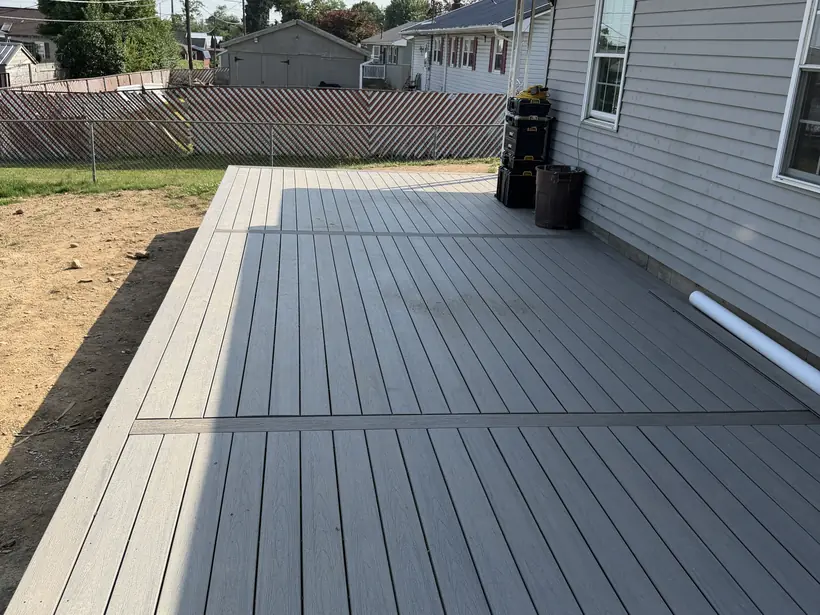
The electrician ran his wires that week
Which is the only part of this story that mattered to the client.
I don’t tell this one to make it sound heroic. Losing a crew on the morning of a start date is a failure — mine, for having a crew that would do that. What I could control was whether that failure became the homeowner’s problem.
It didn’t.
That is most of what a schedule promise is actually worth. Anyone can hold a date when the week goes to plan.
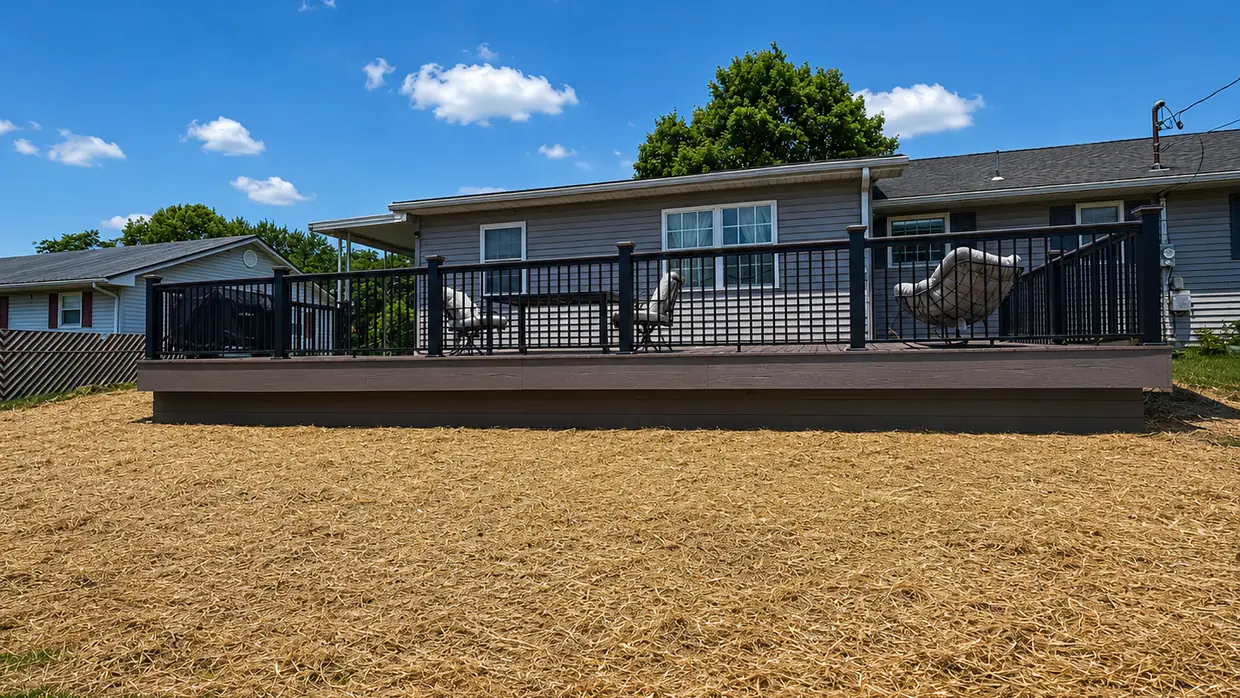
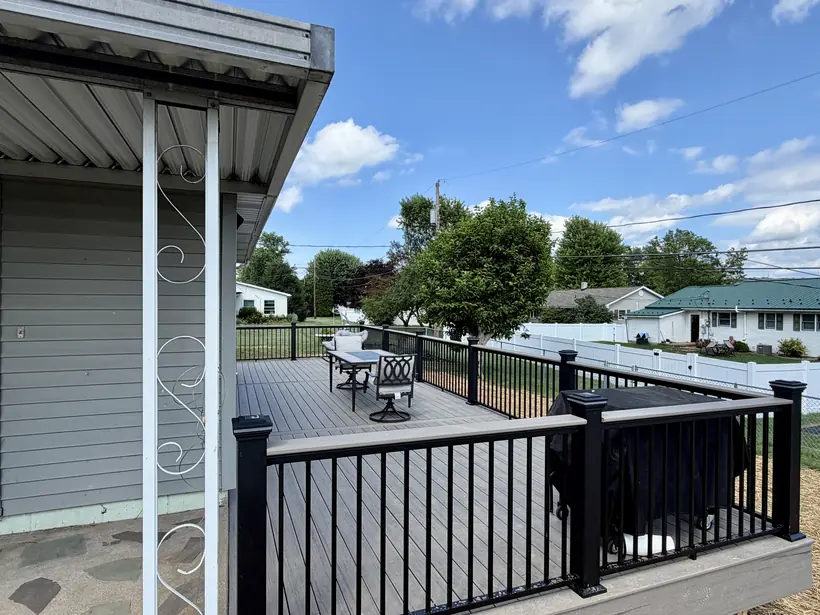
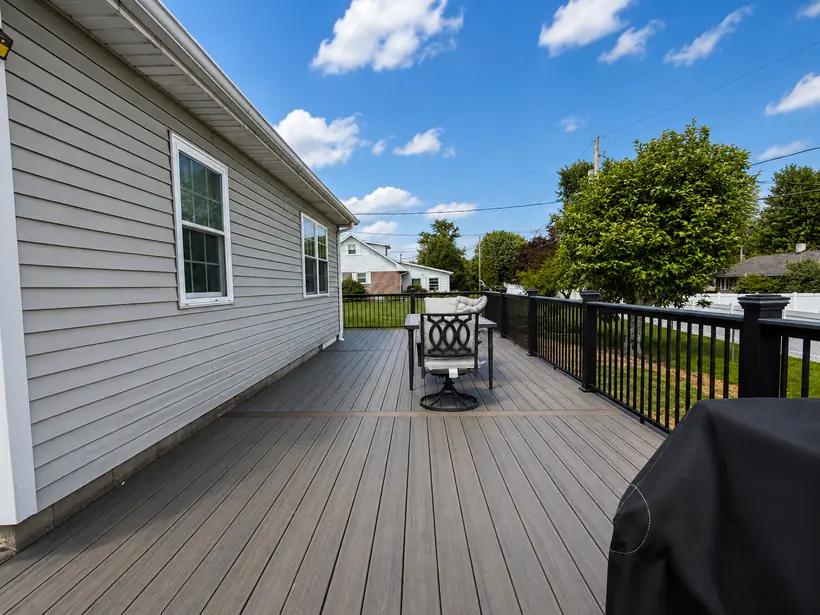
What the homeowner said.
“From start to finish Mike was there every step of the way. Whether it was raining or the sweltering heat he was there. He built our dream deck and it came out better than we had even hoped.”
Let’s see if this makes sense.
Fifteen minutes on the phone. You’ll have a realistic range before we hang up — and if we’re not the right people for it, I’ll tell you.